

Details That Define the Room
Trim and Finish Work in Mount Wolf for baseboards, crown molding, doors, and interior features requiring precision brushwork
Baseboards scuffed from years of foot traffic, door frames with chipped paint along edges, and crown molding that's yellowed or shows brush marks from previous work all detract from how a room presents itself. Set the Tone Painting provides trim and finish work in Mount Wolf that restores these detailed surfaces with clean paint lines and smooth finishes. The difference between careful trim work and rushed application shows most clearly where painted trim meets wall color—precise edging creates sharp boundaries, while sloppy work leaves wavy lines or paint overlap.
Finishing trim involves preparing surfaces by filling nail holes and sanding rough spots, applying paint with brushwork that follows the wood grain and architectural lines, and maintaining wet edges so brush strokes blend invisibly. Worn trim in high-traffic areas often requires extra prep to remove built-up grime that prevents paint adhesion.
Arrange a trim work consultation to evaluate which interior features would benefit from refinishing.
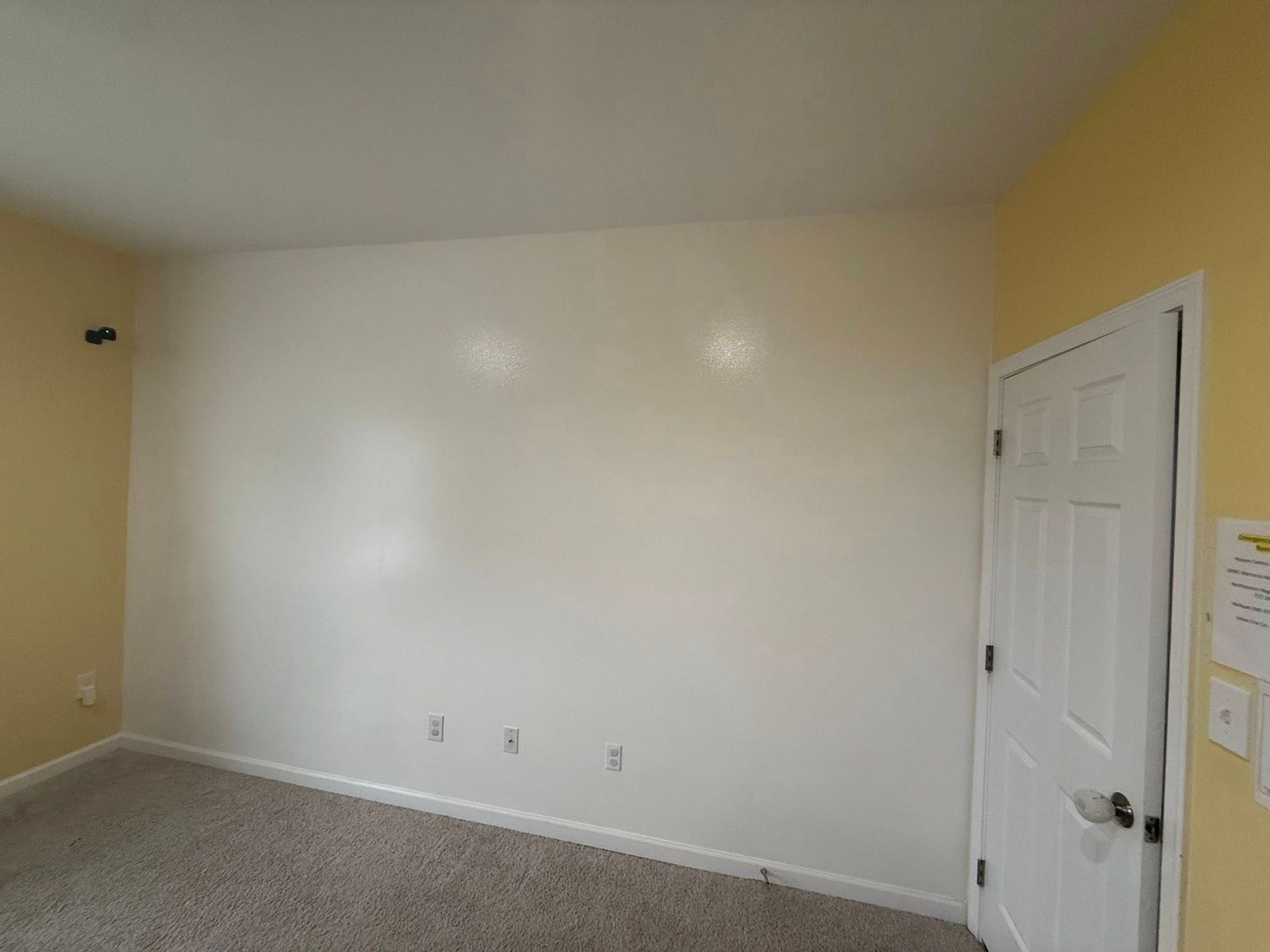
How Detailed Trim Work Addresses Visual Inconsistency
Trim finishing begins with surface preparation that determines how the final coat performs—existing paint that's peeling gets scraped and feathered, glossy finishes get dulled with sandpaper so new paint bonds properly, and gaps between trim pieces and walls get caulked to create continuous lines. Careful prep work prevents common failures like paint that chips off within months or caulk lines that crack and separate.
After the work is complete, you'll see baseboards with uniform sheen that don't show individual brush strokes, door frames with crisp edges where trim color meets wall paint, and crown molding that looks intentional rather than patched together. Rooms feel more finished when trim details are handled with precision, and the effect is especially noticeable in spaces with traditional architectural features or contrasting trim and wall colors.
The process includes decisions about paint sheen—semi-gloss finishes resist scuffing and clean easily on baseboards and doors, while satin finishes work well on crown molding that doesn't get touched frequently. Older homes with intricate trim profiles require more time per linear foot because brushwork must follow curves and recesses without leaving buildup in corners.
Answers to Frequent Service Questions
Homeowners considering trim refinishing want to understand how the process improves room appearance and what factors affect the timeline.
What trim surfaces benefit most from refinishing?
Baseboards that show scuff marks and paint chips from cleaning and foot traffic, door frames with worn edges from repeated contact, crown molding that's discolored or shows uneven previous coats, window trim with peeling paint from moisture exposure, and chair rails or wainscoting with damaged finish all improve significantly with careful repainting.
How does precision brushwork create cleaner paint lines?
Angled brushes loaded with the right amount of paint can follow edges without tape when held at the proper angle, creating sharper boundaries than roller application allows, and steady hand pressure maintains consistent line width where trim meets walls or ceilings.
Why does trim work take longer than wall painting?
Detailed surfaces require cutting in along multiple edges per piece, architectural profiles with grooves and curves need brushwork that reaches into recesses without leaving excess paint, and allowing proper dry time between coats prevents smudging on surfaces that will be handled or bumped during the project.
What preparation ensures trim paint adheres properly?
Cleaning removes oils and dirt that repel paint, light sanding dulls existing gloss so new coats bond mechanically, filling nail holes and gaps creates smooth surfaces without interruptions, and priming bare wood or patched areas prevents uneven absorption that shows through finish coats.
When should trim be repainted during whole-room projects in Mount Wolf?
Trim typically gets finished after walls are painted and fully dry, allowing any wall paint that accidentally touches trim to be covered cleanly during the trim coat, though some painters prefer priming trim before wall work begins to save time on complex projects.
Set the Tone Painting handles interior trim and finish work with attention to clean lines and durable results, making detailed features look intentional rather than overlooked. Contact us to discuss refinishing options for trim surfaces in your home.