

Walls That Look Ready for Paint
Drywall Repair in Mount Wolf for cracks, nail holes, water damage, and uneven surfaces affecting finish quality
Set the Tone Painting handles drywall repair in Mount Wolf when wall surfaces show damage that prevents smooth paint application. Cracks along seams, dents from furniture impacts, clusters of nail holes from removed fixtures, and water-damaged sections all interfere with how paint settles and reflects light. Proper repairs eliminate these surface irregularities so the final coat looks uniform rather than highlighting every flaw underneath.
The repair process involves patching damaged sections with material that matches the existing wall composition, sanding until the transition disappears under your hand, and blending texture patterns so repaired areas don't stand out visually. High-traffic areas like hallways and stairwells accumulate more damage over time, while older homes often show stress cracks where framing settles and drywall flexes.
Schedule a repair estimate to identify which wall sections need attention before painting begins.
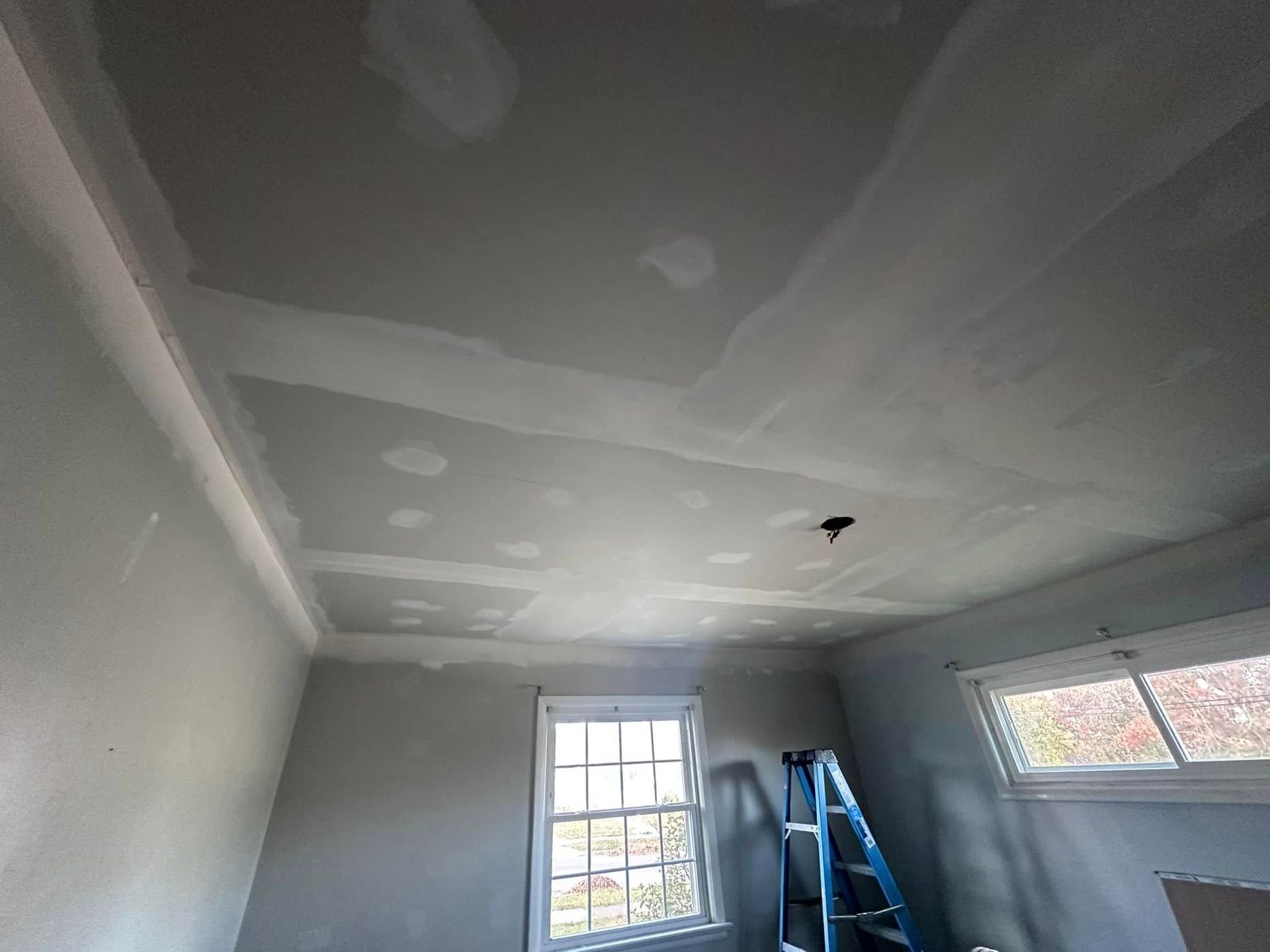
What Proper Drywall Repair Requires
Effective repairs start with determining whether damage is cosmetic or structural—surface nail holes require simple filling, but cracks that reappear after patching indicate movement in the framing that needs a different approach. The patching compound must cure fully before sanding, and sanding creates dust that requires surrounding surfaces to be protected with drop cloths and sealed doorways.
Once repairs are complete and primed, you'll notice walls that feel smooth when you run your hand across them, seams that no longer catch light at certain angles, and paint that lays evenly without dimpling over hidden voids. Set the Tone Painting matches texture patterns during repair so ceilings with knockdown or orange peel finishes maintain consistent appearance across patched and original sections.
Larger damaged sections from plumbing leaks or impact damage require cutting out compromised material and installing new drywall pieces, while small cosmetic repairs involve filling and feathering edges until the repair blends invisibly. Water damage requires confirming the moisture source is eliminated before sealing the surface, or the damage will return through the new paint.
Questions Before Starting Your Project
Homeowners preparing for interior painting often ask how repairs integrate with the overall project timeline and what conditions affect the process.
What types of drywall damage can be repaired before painting?
Cracks along ceiling and wall seams, nail holes and anchor points from removed fixtures, dents from furniture or door handles, water-damaged sections where the paper surface bubbles or crumbles, and uneven joint compound from previous repairs all get addressed during prep work so the painted surface appears uniform.
How does repair work prepare walls for professional paint finishes?
Patching fills voids that would otherwise telegraph through paint as shadows or depressions, sanding removes ridges and bumps that catch light unevenly, and texture blending ensures repaired areas match surrounding surfaces so nothing stands out visually once the finish coat is applied.
Why do older homes in Mount Wolf often need more extensive drywall repair?
Homes built several decades ago experience framing settlement as wood dries and foundations shift slightly, creating stress cracks along seams and corners that weren't present originally, while outdated joint compound formulas become brittle and separate from the drywall surface over time.
When should drywall repairs happen during a painting project?
Repairs occur after furniture is moved and surfaces are protected but before any primer or paint is applied, allowing patching compound to cure fully and sanding dust to be cleaned away so it doesn't contaminate wet paint layers.
What preparation protects surrounding areas during drywall repair?
Drop cloths cover floors beneath work zones, plastic sheeting seals doorways to contain sanding dust in the work area, and painter's tape protects adjacent surfaces that aren't being repaired, keeping dust and debris from spreading throughout the home.
Set the Tone Painting addresses wall damage that interferes with paint quality, ensuring surfaces are smooth and ready for finish coats. Request a drywall repair consultation to review which areas need attention in your space.